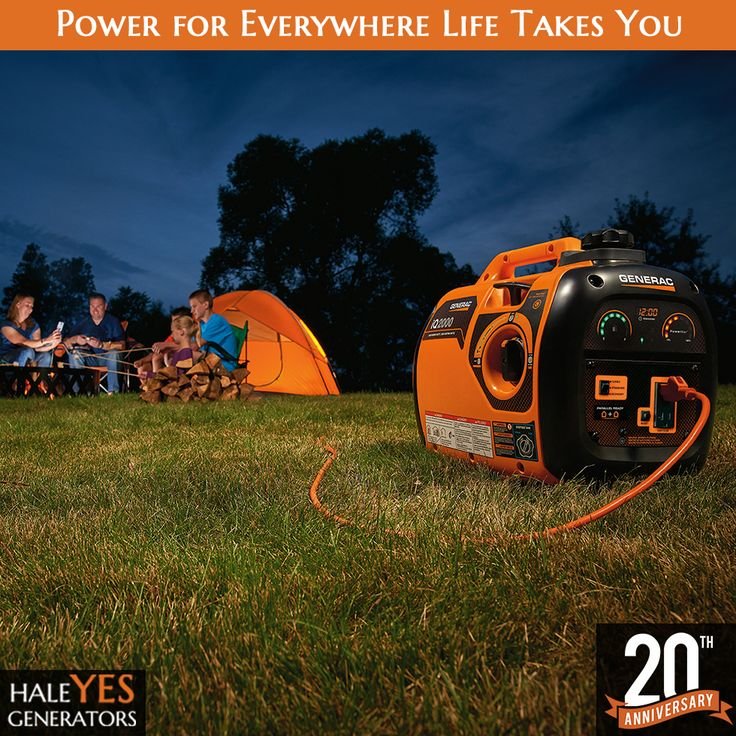
You've invested in a portable generator for your camping adventures, ready to power up your RV, charge devices, or run an electric grill under the open sky. But owning a generator is just the first step. To truly unlock its full potential, ensure safety, and extend its lifespan, you need to understand the world of Camping Generator Accessories & Alternatives. Think of it as gearing up for battle: you wouldn't send a soldier into the field without the right tools and backup plans, would you? The same goes for your power source in the wild.
This guide is for every camper who wants to get more out of their generator—or even find a better way to power their trips. We'll cut through the noise, showing you what's genuinely useful, what's essential for safety, and what to steer clear of entirely.
At a Glance: Your Quick Guide to Outdoor Power
- Official First: Always prioritize official manufacturer accessories for safety, compatibility, and warranty protection.
- Mobility Matters: Wheel and lifting kits are game-changers for moving heavy generators.
- Power Up Safely: Heavy-duty extension cords (20+ feet!), proper adapters, and parallel kits are essential.
- Monitor & Maintain: Hour meters, clamp meters, fuel stabilizers, and magnetic oil dipsticks keep your generator healthy.
- Protect Your Investment: Running covers and storage covers extend life and allow safe operation in weather.
- Avoid Dangerous Mods: Never modify exhaust, fuel systems, or use third-party remote start kits; they're risky and void warranties.
- Consider Alternatives: Portable power stations and solar generators offer quiet, emission-free power for lighter needs.
- Safety First: Carbon monoxide is a silent killer. Always operate generators outdoors, at least 20 feet from structures.
Why Every Camper Needs Smart Power Solutions
Modern portable generators, particularly the quiet and fuel-efficient inverter models, are a cornerstone of comfortable camping. They transform rugged outdoor experiences by bringing a slice of home convenience to your campsite. But just like a well-appointed kitchen needs more than just an oven, a generator needs its supporting cast.
From making your generator easier to move to integrating it seamlessly with your RV, or simply ensuring it starts reliably every time, the right accessories elevate your camping game. And for those times when a traditional generator isn't the best fit, understanding the emerging alternatives can completely redefine your power strategy.
Getting Your Generator Where It Needs To Be: Mobility Accessories
Unless you've got a micro-generator, moving these powerhouses around can be a real workout. Investing in mobility accessories isn't just about convenience; it protects your back and makes deployment much smoother.
Wheel Kits: Glide, Don't Drag
For generators tipping the scales over 110 pounds, a dedicated wheel kit is a must-have. These kits typically include 2-4 sturdy wheels and a folding handle, transforming a cumbersome lift into an easy roll. They enhance horizontal mobility, making it simple to maneuver your generator from your vehicle to its operating spot.
- What to look for: Durable wheels, a comfortable and collapsible handle, and easy installation.
- Cost: Generally between $30-$150.
Lifting Kits and Hanger Kits: Vertical Power Moves
Sometimes, you're not just moving a generator across flat ground. For those needing to hoist a heavy unit onto a truck bed or a specialized platform, lifting or hanger kits are invaluable. These usually consist of a strong steel crossbar that attaches securely to your generator, allowing for mechanical lifting via a crane or hoist.
- When to use: When you need vertical transport, especially for very heavy models.
- Cost: Around $20-$50.
Pitfall to Avoid: Don't underestimate the weight of your generator. Trying to muscle a heavy unit without proper mobility aids isn't just difficult; it's a recipe for injury or damage to your equipment. Always check your generator's weight and invest in the appropriate kit.
Powering Up Smart: Connectivity & Output Accessories
Once your generator is in place, the next step is connecting it to your devices and ensuring you get the right kind of power. These accessories bridge the gap between your generator's outlets and your specific power needs.
Adapters: The Universal Translator
Generators come with various outlet types, and your RV or specific appliances might require a different plug. Adapters are your best friend here, converting your generator's outlet to match what you need. For RV owners, common adapters include L5-30P (generator twist-lock) to TT-30R (RV standard 30A) and L14-30P (generator 240V/120V) to 14-50R (RV 50A).
- Why they're essential: Ensure compatibility with your RV's shore power inlet or other specialized appliances.
- Cost: Typically around $20.
Extension Cords: The Lifeline to Safety
This isn't just an accessory; it's a non-negotiable safety item. You need an extension cord long enough to keep your generator at least 20 feet from any structure, including your tent, RV, or campsite neighbor's setup. This distance is crucial for preventing carbon monoxide poisoning. Heavy-duty, outdoor-rated cords (10- to 12-gauge) are a must for safely delivering power without voltage drop or overheating.
- Key considerations:
- Gauge: Lower gauge numbers mean thicker wires and more current capacity (e.g., 10-gauge is thicker than 12-gauge). Match to your expected load.
- Length: 25-50 feet is often a good starting point, but longer cords (up to 100 feet) are available. Remember the 20-foot rule!
- Ends: Ensure the plugs match your generator outlets and appliance plugs.
- Cost: $50-$200, depending on length and gauge.
Bonding Plugs (Edison Plugs): Advanced Grounding
For advanced users or specific applications (like connecting to certain RV electrical systems or transfer switches), a bonding plug can be necessary. Also known as Edison plugs, these devices establish a neutral-to-ground bond within your generator's electrical system, resolving issues with "floating neutrals" that can sometimes prevent surge protectors or ground fault circuit interrupters (GFCIs) from functioning correctly. It's a niche item, but vital when needed.
- When to use: If your generator lacks a bonded neutral and you're experiencing electrical tripping issues with sensitive equipment.
- Cost: Max $20.
Parallel Kits: Doubling Your Power Potential
Got two compatible inverter generators, but one isn't quite enough for your needs? A parallel kit allows you to link them together, combining their power output. This is a brilliant solution for campers who need flexibility—run one for light loads, or link two for higher demand like an RV's AC unit. While the power isn't always fully additive (e.g., two 2200W generators might combine for 3000-4000W), it offers a significant boost.
- Requirements: Both generators must be "parallel-ready" and compatible with the kit. Usually, they need to be the same brand and model (or specific compatible models).
- Cost: $50-$100.
Pitfall to Avoid: Never use a residential extension cord for your generator. They are not rated for the amperage or outdoor conditions and pose a serious fire and electrocution risk. Also, always ensure your parallel kit is specifically designed for your generator models to avoid damage.
Keeping Tabs & Connecting Home: Monitoring & Integration
Understanding your generator's performance and ensuring it's integrated safely, especially for home backup, is crucial. These accessories provide valuable data and facilitate secure connections.
Clamp Meters: Your Generator's Diagnostic Tool
Even if your generator boasts a fancy digital data center, a clamp meter is an invaluable tool. It allows you to independently measure the actual output (amps, voltage, wattage) of your generator and the consumption of individual appliances. This is essential for accurately sizing a generator, identifying overloaded circuits, and diagnosing potential issues.
- Why it's essential: Helps prevent overloading, confirms proper output, and aids in troubleshooting.
- Cost: Around $50.
Vibration-Activated Hour Meters: Track Your Service Schedule
Just like your car needs oil changes, your generator requires regular maintenance. For generators without built-in runtime tracking, a vibration-activated hour meter is a must-have. These small, affordable devices attach to your generator and automatically start logging hours when the engine is running. This allows you to stick to your service schedule (e.g., oil changes every 50-100 hours) and keep your generator running smoothly for years to come.
- Why it's essential: Critical for timely maintenance and extending engine life.
- Cost: Around $15.
Transfer Switches: The Home Backup Bridge
If you plan to use your portable generator as a home backup power source, a transfer switch is not just recommended, it's a legal and safety requirement. These devices safely connect your generator to your household electrical circuit, preventing dangerous "backfeeding" into the utility grid, which can electrocute utility workers. While some advanced Automatic Transfer Switches (ATS) exist, most portable generators still require manual operation, even with an ATS.
- Safety first: A transfer switch isolates your home's circuits from the main power grid during generator use.
- Cost: Several hundred dollars (plus installation).
Pitfall to Avoid: Never, under any circumstances, attempt to backfeed your home's electrical system by plugging your generator directly into an outlet. This is incredibly dangerous and illegal. Always use a proper transfer switch installed by a qualified electrician.
Fueling Adventure, Extending Life: Maintenance & Fuel Accessories
A well-maintained generator is a reliable generator. These accessories help ensure your unit runs efficiently, starts easily, and enjoys a long, productive life.
Extended-Run Fuel Tanks/Systems: Go the Distance
For longer camping trips where frequent refueling is a hassle, an extended-run fuel tank can be a game-changer. These systems increase your generator's fuel capacity, allowing for significantly longer runtimes. Simple gravity-fed tanks require placement higher than the generator for fuel to flow. More advanced systems might involve modifying fuel lines, but be warned: such modifications can potentially void your generator's warranty.
- Considerations: Check warranty implications for any modifications. Ensure secure, spill-proof setup.
- Cost: At least $100 for basic setups.
Fuel Stabilizers: The Freshness Keeper
If you don't use your generator constantly, fuel stabilizer is your best friend. Modern gasoline can degrade quickly, especially with ethanol blends, leading to gum and varnish buildup in your carburetor. This can cause hard starting, rough running, and even engine damage. A good fuel stabilizer prevents this degradation, protects the carburetor, and extends the life of your generator, particularly crucial for infrequent users.
- How to use: Add to your fuel tank before storing the generator for more than a few weeks.
- Cost: Relatively inexpensive, a few dollars per bottle.
Magnetic Oil Dipsticks: Tiny Magnets, Big Protection
Small engines, like those in many portable generators, often lack oil filters. This means tiny metal shavings, byproducts of engine wear, can circulate in the oil, causing further damage. A magnetic oil dipstick, available for many popular generator models, extracts these microscopic metal particles from the oil, significantly reducing engine wear. It's a simple, inexpensive upgrade that offers outsized protection.
- Why it's highly recommended: Prolongs engine life by removing harmful metal particles.
- Cost: $15-$20.
Maintenance Kits: Everything You Need in One Box
For first-time generator owners, or those who prefer convenience, a pre-packaged maintenance kit is an excellent investment. These kits typically include essential items like air filters, oil, spark plugs, and sometimes a spark plug wrench or cleaning tools. Having everything on hand makes it much easier to stick to your routine maintenance schedule.
- What to look for: A kit specifically designed for your generator make and model.
- Cost: Varies by generator model.
Pitfall to Avoid: Never run old, stale fuel in your generator. It can clog the carburetor and lead to expensive repairs. Always use fresh fuel, or treat fuel with stabilizer if storing for more than a few weeks.
Shielding Your Powerhouse: Protection & Environmental Gear
Your generator is an investment. Protecting it from the elements and ensuring it operates safely in various conditions is paramount.
Storage Covers: Guard Against Dust & Debris
When your generator isn't in use, a storage cover is highly recommended. These covers protect your unit from dust, dirt, and minor bumps during storage. They keep your generator looking new and prevent debris from entering sensitive components.
- Important note: These are not designed for operating your generator. Never run a generator with a standard storage cover on, as it will impede airflow and cause overheating.
- Cost: $10-$30.
Storm Covers (Running Covers): Power Through the Weather
Rain, wind, and even light snow don't have to shut down your power. A heavy-duty storm or running cover is specifically designed to allow safe operation of your generator in inclement weather. These water-resistant covers feature a sturdy backbone that creates an open space for airflow and exhaust, protecting electrical outlets and the engine from moisture while preventing overheating. Following portable generator safety protocols is always key, but a running cover allows you to maintain power without risking damage or unsafe operation.
- Why it's highly recommended: Essential for safely operating your generator outdoors in rain or snow.
- Cost: $150-$200.
Cold Weather Kits: Defy the Freeze
If your camping adventures take you to freezing temperatures, a cold weather kit can be crucial. These kits typically include a small heater or insulation designed to prevent the crankcase breather tube from freezing, ensuring proper engine ventilation and reliable operation in extremely cold conditions.
- When to use: For consistent operation in sub-freezing environments.
- Cost: $100-$300.
Altitude Kits: Breathe Easy at High Elevations
Camping at elevations above 2000 feet? Your generator might need an altitude kit. These kits consist of specialized carburetor jet sets that adjust the fuel-to-air mixture to compensate for thinner air at higher altitudes. Without this adjustment, your generator can run too rich, leading to decreased performance, fouled spark plugs, and potential engine damage. Incorrect use or installation can also void your warranty.
- When to use: For sustained operation at high altitudes (above 2000 feet).
- Cost: A few dollars.
Pitfall to Avoid: Running a generator with a standard storage cover on while it's operating is incredibly dangerous. It will restrict airflow, cause overheating, and can lead to fire or generator damage.
The "No-Go" Zone: Modifications to Avoid (and Safer Alternatives)
While accessorizing is great, some modifications promise convenience but deliver risk, often voiding warranties and compromising safety. Here's what to steer clear of:
Remote Start Kits (Third-Party)
Many generators now come with built-in remote start. However, third-party remote start kits for electric-start generators are available.
- Why to avoid: They can be complex to install, may interfere with your generator's electrical system, often void your warranty, and can introduce reliability issues.
- Safer Alternative: If remote start is a priority, invest in a generator that has it built-in from the factory, such as some models from Champion or Westinghouse.
Fuel Conversion Kits (Third-Party)
These kits claim to convert a gasoline-only generator to run on propane or natural gas.
- Why to avoid: They almost always void your warranty, violate emission regulations (making your generator illegal in many areas), and can lead to decreased performance, fuel leaks, and severe engine damage. The fuel system is precisely engineered, and DIY modifications are highly risky.
- Safer Alternative: Purchase a dual-fuel generator from a reputable manufacturer (like the Champion 4500 Dual Fuel Inverter Generator) that is designed for safe and efficient operation on multiple fuel types.
Silencers/Mufflers (Aftermarket)
Trying to make your generator quieter with an aftermarket silencer or muffler modification.
- Why to avoid: Modifying the exhaust system can restrict exhaust flow, leading to engine overheating, reduced performance, and potential damage. This will almost certainly void your warranty.
- Safer Alternative: Invest in an inverter generator known for its quiet operation. Brands like Honda and Yamaha are renowned for producing some of the best quiet generators on the market, with noise levels as low as 48 dB. Alternatively, consider a soundproof enclosure specifically designed for generators, ensuring proper ventilation.
Exhaust Extensions: A Deadly "Solution"
These attempt to pipe exhaust fumes away from the generator, sometimes with the misguided intention of allowing indoor operation.
- Why to avoid: THIS IS EXTREMELY DANGEROUS AND POTENTIALLY FATAL. Carbon monoxide is an odorless, colorless gas that can kill quickly. Absolutely never run a generator indoors, regardless of any exhaust extension. Even with an extension, enough CO can leak or diffuse to create a lethal environment.
- Safer Alternative: ALWAYS OPERATE GENERATORS OUTDOORS. Maintain at least 20 feet of clearance from any structure, with the exhaust pointed away. Invest in battery-operated carbon monoxide detectors for your tent or RV. Your life, and the lives of those around you, depend on it.
Beyond the Roar: Exploring Generator Alternatives for Camping
While traditional generators are powerful, they aren't always the best or only solution. For certain camping styles, cleaner, quieter, or more compact alternatives can offer significant advantages.
Portable Power Stations (Battery Banks): Silent & Convenient
Imagine a giant, super-charged power bank for your devices and small appliances. That's essentially a portable power station. Models like the Jackery Explorer 1000 v2 are lightweight (around 22 lbs) and offer multiple outlets (AC, USB-A, USB-C, car), providing hours of power for TVs, mini-coolers, laptops, and charging phones.
- Pros: Absolutely silent, zero emissions, no fuel to carry, minimal maintenance. Great for sensitive electronics.
- Cons: Limited power capacity compared to fuel generators, longer recharge times (though many support solar charging), and can be expensive for higher capacities. Not ideal for heavy-duty appliances like RV AC units for extended periods.
- Best for: Shorter trips, tent camping, powering small electronics, medical devices, or quiet zones where generator noise is prohibited.
Solar Generators: Harnessing the Sun's Energy
A "solar generator" is essentially a portable power station bundled with solar panels, allowing you to recharge it using sunlight. The Westinghouse iGen160s Portable Solar Generator is an example of a compact unit (4 pounds) that, when paired with a panel, provides clean power for smaller devices like phones, tablets, and features a built-in flashlight.
- Pros: Environmentally friendly, renewable energy source, silent operation, very low running costs (after initial investment).
- Cons: Dependent on sunlight, slower charging times than AC, panel size and portability can be a factor, limited output for larger appliances.
- Best for: Extended off-grid trips with consistent sunlight, minimalist camping, charging small devices, or as a sustainable backup for your power station. For those interested in cleaner energy on the go, exploring solar power options for camping can significantly reduce your carbon footprint.
Manual Power/No Power: Embracing Simplicity
Sometimes, the best alternative is simply to scale back your power needs. Hand-crank chargers for phones, battery-powered lanterns, and cooler efficiency upgrades can significantly reduce reliance on external power. Embracing the wilderness might mean leaving some gadgets at home.
Choosing Your Camping Generator: A Quick Guide
While this article focuses on accessories and alternatives, it's worth a quick refresher on generator selection, as it dictates which accessories you'll need. For a deeper dive, check out our generator camp guide.
- Output: Match the wattage to your actual appliance needs. 2000-2500 watts often suffices for basic camping, while 4000-5000 watts are common for RVs with AC units. A 3000-4000 watt unit strikes a good balance for many.
- Size: The smallest unit that meets your power needs is usually best for portability and space.
- Quietness: Inverter generators are dramatically quieter (e.g., Honda EU2200i at 48-57 dB) than conventional models and are highly recommended for camping to minimize noise pollution.
- Reliability: Brands like Honda and Yamaha are industry leaders for a reason. Propane-fueled generators often offer more consistent starts due to cleaner fuel. For RV-specific needs, you might also want to review our in-depth RV generator guide.
Making Smart Choices: A Final Checklist
Equipping your generator or choosing an alternative is about enhancing your outdoor experience responsibly. Here’s a quick final rundown:
- Prioritize Safety Above All: This cannot be stressed enough. Carbon monoxide detection, proper ventilation, and safe fuel handling are paramount.
- Check Manufacturer Compatibility: Before buying any accessory, ensure it's compatible with your specific generator model. Official manufacturer accessories are always the safest bet to maintain warranties and ensure proper function.
- Match Accessories to Your Needs: Don't buy a parallel kit if you only have one generator, or an altitude kit if you only camp at sea level. Assess your specific camping style and power requirements.
- Invest in Quality: Cheap knock-offs might save a few dollars upfront but can lead to frustration, damage, or even dangerous situations down the line. Quality accessories last longer and perform better.
Your Next Steps for Outdoor Power Confidence
You're now equipped with the knowledge to make informed decisions about your camping power setup. Whether you're upgrading your current generator with essential accessories, considering a quiet portable power station, or simply learning how to maintain your unit for years to come, you're on your way to a more enjoyable, safe, and powerful outdoor experience. Get out there, explore, and stay powered up!