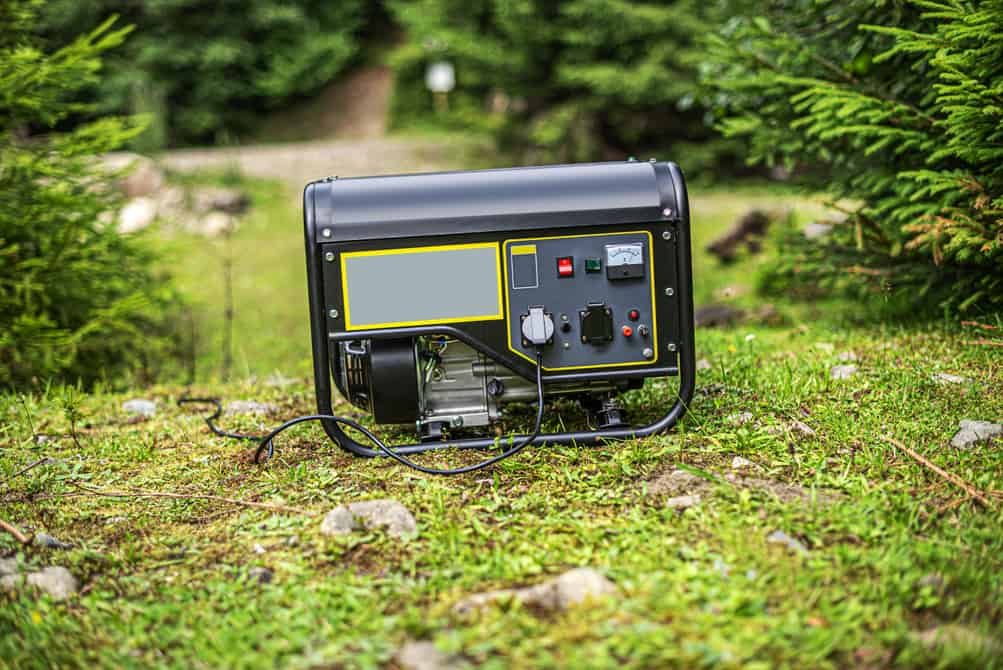
There's a universally acknowledged truth in the RV world: a reliable generator is your lifeline to off-grid freedom, but its hum can quickly turn into a headache. Navigating Camping Generator Noise & Regulations is crucial for anyone who wants to enjoy the great outdoors without becoming "that neighbor." It's a delicate balance between needing power and preserving the peace and quiet that drew you to nature in the first place.
So, how do you keep the lights on without making enemies at the campground? It starts with understanding the sound, the rules, and a bit of good old-fashioned etiquette.
At a Glance: Your Quick Guide to Generator Peace
- Decibels (dB) Matter: Aim for generators rated 51-54 dB. Anything above 60 dB at 50 feet is often too loud for campgrounds.
- Inverter Generators Reign: They're typically quieter, more fuel-efficient, and produce cleaner power.
- Check Campground Rules: Always look up specific generator hours and noise limits before you arrive. National Parks often have a 60 dB at 50 feet rule.
- Practice Good Etiquette: Operate during day hours, position your generator away from others, and communicate with neighbors.
- Reduce the Rumble: Consider soundproofing enclosures or strategic placement to minimize noise impact.
The Silent Power Struggle: Why Generator Noise Matters
The moment you fire up your generator, you're introducing a new soundscape into a natural environment. What might seem like a mere hum to you could be a cacophony to your neighbors, especially when the wilderness is otherwise quiet. Understanding how generator noise works is your first step toward being a considerate camper.
Decoding Decibels: The Language of Sound
Noise levels are measured in decibels (dB), a unit that can feel a bit counterintuitive because it operates on a logarithmic scale. What does that mean for you? It means a small increase in dB represents a massive jump in sound intensity. For instance, a 10 dB increase signifies a tenfold increase in sound intensity, which your ears perceive as roughly twice as loud. So, the difference between a 50 dB generator and a 60 dB one isn't just a little louder; it's a lot louder.
Most "quiet" generators you'll find for camping typically fall into the 50-60 dB range. Some advanced models can purr as low as 51 dB, making them barely noticeable, while others might exceed 60 dB when running at full capacity. For a truly peaceful camping experience, both for you and those around you, aiming for a generator that stays well under 60 dB is a wise choice.
What Makes a Generator Noisy? It's More Than Just the Engine
Several factors play into how loud your generator actually sounds in a real-world camping scenario, not just on a spec sheet.
- Load Level: This is huge. A generator running at full tilt, powering every appliance in your RV, will always be louder than one idling with a light load. Manufacturers often quote noise levels at varying loads (e.g., 25% vs. 50%), so compare apples to apples. If you typically only run a few things, a generator rated 58 dB at 50% load might be quieter for you than one rated 55 dB at 25% load if you rarely hit that lower load.
- Distance: Sound output ratings are always measured at a specific distance (e.g., 10 feet/3 meters or 23 feet/7 meters, sometimes 50 feet). The closer you are, the louder it will seem. This is why campground regulations often specify noise limits at a certain distance from your campsite boundary.
- Size & Type: Generally, smaller generators and those with inverter technology (more on these in a moment) tend to be quieter. Built-in RV generators can seem quieter because they're housed within your RV's structure, which naturally muffles some sound.
- Age: Like an old car, an older generator often has more worn parts, less efficient mufflers, and more vibrations, all contributing to increased noise.
Deciphering Generator Types: The Quest for Quiet
When it comes to choosing a generator, you're not just picking a power source; you're selecting a sound signature. The type of fuel and technology inside can drastically change the noise profile.
Fueling Your Adventure (and Its Sound)
Generators broadly come in three fuel types, each with its own noise implications:
- Diesel Generators: Often touted as the quietest option available. Diesel engines tend to run at lower RPMs and are designed with robust housing, making them excellent choices for minimizing noise, though they can be pricier and heavier.
- Gasoline Generators: The most common and often the loudest. They're typically more affordable and readily available, but the trade-off is often a higher decibel output, especially under heavy load.
- Propane Generators: A balanced choice. They generally produce fewer emissions than gasoline models and can be slightly quieter than their gas counterparts, depending on the model. Availability of propane refills can vary, but many RVs already use propane for other appliances.
The Inverter Advantage: Quiet Power at Its Best
If quiet operation is your top priority (and for most campers, it should be), then an inverter generator is your best bet. Here's why they stand out:
- Variable Engine Speed: Unlike traditional generators that run at a constant, high RPM regardless of load, inverter generators adjust their engine speed to match the power demand. Less demand means the engine slows down, dramatically reducing noise and fuel consumption.
- Cleaner Power: They produce clean, stable AC power, making them safe for sensitive electronics like laptops, smartphones, and smart TVs.
- Compact & Lightweight: Inverter generators are generally smaller and lighter than conventional generators of comparable wattage, making them easier to transport and store.
When you're comparing models, prioritize inverter generators that advertise noise levels in the 51-54 dB range. These are the workhorses of quiet camping.
Our Top Picks for Quiet Camping Power
Several models consistently earn high marks for their low noise output:
- Honda EU2200i: A perennial favorite, known for its reliability and super quiet operation.
- WEN 56200i: Often praised as a cost-effective alternative that still delivers impressive quietness.
- Cummins Onan P4500i: A powerful option that remains remarkably quiet, often rated as low as 52 dB thanks to its double-insulated housing. For built-in RV generators, the Cummins Onan QG 2800i/2500i is a popular choice, rated at 65 dB at 10 feet (half load), which generally meets the National Park Service's 60 dB at 50 feet requirement.
Before you invest, though, always take a moment to determine your actual power needs. List all the appliances you plan to run simultaneously, calculate their starting (surge) and running watts, and choose a generator that comfortably handles your maximum load. There's no point in a quiet generator if it can't power your essentials. For a deeper dive into generator selection, check out Your guide to generator camp.
The Law of the Campground: Understanding Generator Regulations
Ignorance is not bliss when it comes to campground rules. Every campground, whether it's a private RV resort, a state park, or a national forest, will have specific rules governing generator use. These aren't arbitrary; they're designed to maintain peace, ensure safety, and protect the natural environment.
Common Rules You'll Encounter
The most frequently enforced regulations revolve around two main factors: usage hours and noise limits.
- Generator Usage Hours: Almost universally, campgrounds implement "quiet hours." This usually means generators are prohibited from late evening (e.g., 8 PM or 9 PM) until early morning (e.g., 7 AM or 8 AM). The specific times can vary, so always double-check. The goal is to ensure everyone gets a good night's sleep without the rhythmic thrum of an engine nearby.
- Noise Limits: Many campgrounds, particularly state and national parks, enforce a strict decibel limit. A common standard is 60 dB at 50 feet. This means that if you're standing 50 feet away from the generator, the noise should not exceed 60 decibels. This rule directly impacts your generator choice, as not all models can meet this standard under typical load conditions.
Why Regulations Exist (and Why They're Important)
Think about why you go camping: to escape the hustle and bustle, to enjoy nature's sounds, and to relax. Generator noise can quickly shatter that tranquility. Regulations are put in place to:
- Preserve Serenity: Ensure all campers can enjoy the peace and quiet of the outdoors.
- Prevent Conflict: Minimize disputes between campers over noise levels.
- Protect Wildlife: Loud, continuous noise can disturb local wildlife, impacting their natural behaviors.
- Safety: Some regulations might also touch on safe operation, such as ensuring proper ventilation to prevent carbon monoxide buildup.
How to Stay Compliant: Check Before You Camp
The golden rule is simple: check the policies online or contact the campground staff before your visit. Most campgrounds publish their generator policies clearly on their websites. If you can't find them, a quick phone call can save you a lot of hassle and potential fines once you arrive. Don't assume that what was allowed at your last campsite will be allowed at your next.
National Parks: A Special Case
The National Park Service (NPS) is quite specific about generator use. Generally, they allow generators that meet their 60 dB at 50 feet requirement. They often have designated generator use hours, which are strictly enforced. Exceeding these limits can result in warnings, fines, or even expulsion from the park. This is where models like the Cummins Onan QG 2800i/2500i, despite a 10-foot rating of 65 dB, are acceptable because their sound output dissipates sufficiently over 50 feet to meet the standard.
Mastering Generator Etiquette: Be a Good Neighbor
Beyond the written rules, there’s an unwritten code of conduct when using your generator. Good generator etiquette is about respect, mindfulness, and helping to foster a positive community experience at the campground.
Timing is Everything: Operate During Appropriate Hours
This aligns with campground regulations, but it's worth emphasizing. Run your generator primarily during the day, when other campers are typically more active, and ambient noise levels are naturally higher. Avoid firing it up first thing in the morning or late into the evening. If you absolutely need a quick burst of power during quiet hours for something critical (like medical equipment), communicate this with your immediate neighbors beforehand. A little heads-up goes a long way.
Maintain a Respectful Distance
Where you place your generator matters. The further away it is from occupied campsites, the less impact its noise will have. Try to position it on the side of your RV that faces away from your neighbors, or use natural barriers if available. Be especially mindful if you're within 50 feet of other campers; even a quiet generator can be disruptive at close quarters. Don't place it right outside someone else's bedroom window!
Communication is Key
If you know you'll need to run your generator for an extended period, or if you plan to use it close to the quiet hour cutoff, a simple, friendly conversation with your closest neighbors can prevent complaints. Introduce yourself, explain your power needs, and ask if they have any concerns. Most campers are reasonable and appreciate the gesture. You might even find they have a generator themselves and understand the necessity.
Proper Placement: More Than Just Noise
While minimizing noise is a primary concern, never compromise safety for quiet.
- Ventilation First: Always ensure your generator has adequate ventilation to prevent dangerous carbon monoxide buildup. Never operate it inside your RV, tent, or any enclosed space.
- Stable Surface: Place your generator on a stable, level surface. This not only helps with operation but can also reduce vibrations that contribute to noise.
- Exhaust Direction: While not a perfect solution, directing the exhaust away from neighboring campsites can sometimes help reduce direct noise projection. However, avoid blocking the exhaust, as this can be dangerous and damage the unit.
By practicing proper etiquette, you contribute positively to the campground community and ensure everyone, including yourself, has a more enjoyable and peaceful camping trip. It's about blending your modern conveniences with the natural tranquility of the outdoors.
Beyond the Box: Actionable Noise Reduction Strategies
Even with a quiet generator, there might be times you want to take things a step further to minimize its acoustic footprint. Or perhaps you have an older, louder model and aren't ready to upgrade. Here are some actionable strategies to quiet the rumble.
Investing in Soundproof Enclosures
One of the most effective solutions is a purpose-built soundproof enclosure. These are designed to absorb and block sound waves.
- Commercial Enclosures: You can purchase pre-made enclosures specifically designed for portable generators. These often feature acoustic foam or sound-dampening materials and are engineered to maintain proper airflow to prevent overheating.
- DIY Solutions (with caution): For the handy RVer, building a DIY enclosure is possible. Materials like plywood lined with mass loaded vinyl, acoustic foam, or even multiple layers of drywall (heavy, not ideal for portable) can be used. However, extreme caution must be taken to ensure adequate ventilation to prevent overheating and, more critically, to disperse carbon monoxide safely. Never fully enclose a running generator without a well-engineered ventilation system.
Strategic Placement: Maximize Distance, Minimize Direct Path
We touched on this in etiquette, but it bears repeating with a focus on noise reduction:
- Increase Distance: Sound diminishes significantly with distance. Every few feet you can move your generator away from your (and your neighbors') primary living areas makes a difference.
- Use Barriers: Position your generator behind your RV, or use natural barriers like dense shrubbery or small hills to block direct sound paths. Even placing it on the opposite side of your RV from your neighbors can help.
- Ground Surface: A soft, absorbent surface like grass or dirt can help dampen some vibrations and reflected sound better than concrete or asphalt.
Maintenance: A Well-Oiled (and Quieter) Machine
A poorly maintained generator is a loud generator. Regular maintenance can keep your unit running smoothly and quietly.
- Oil Levels: Check and change your oil regularly according to the manufacturer's recommendations. Proper lubrication reduces friction, which can decrease engine noise.
- Air Filters: A clean air filter ensures the engine breathes properly. A clogged filter can make the engine work harder and run louder.
- Spark Plugs: Replace old spark plugs. A well-firing plug means efficient combustion, leading to smoother, quieter operation.
- Muffler Check: Inspect the muffler for any damage or loose parts. A leaking or damaged muffler is a primary culprit for increased noise.
- Vibration Dampening: Ensure all bolts and covers are tight. Loose components can vibrate and buzz. You can also place rubber mats or anti-vibration pads under the generator to absorb some of the mechanical vibrations that transfer to the ground.
Caution: While aftermarket mufflers or parts might seem like a quick fix, be very wary. Parts not designed by the manufacturer can impair performance, increase safety risks, or even void your generator's warranty. Stick to manufacturer-approved solutions or consult with a qualified professional.
Common Questions & Misconceptions About Generator Noise
Even with all the information out there, some persistent questions and myths about generator noise crop up. Let's clear the air.
"Are all generators really that loud?"
Not at all! While traditional, open-frame construction generators can be quite noisy, modern inverter generators have revolutionized quiet power. As discussed, many inverter models operate at levels comparable to a quiet conversation (around 50-60 dB), which is far from "loud" in the grand scheme of things, especially compared to their predecessors.
"Can I just put a car muffler on my generator to make it quieter?"
This is a common DIY thought, but it's generally a bad idea and potentially dangerous. Car mufflers are designed for larger engines with different exhaust flow characteristics. Attaching one to a small generator can create excessive backpressure, leading to engine damage, overheating, reduced performance, and even a fire hazard. It's also likely to void your warranty. Stick to solutions designed specifically for generators.
"Is 60 dB at 50 feet really that quiet?"
Yes, it is. To give you some context:
- A normal conversation at 3 feet is about 60 dB.
- A refrigerator hum is about 40 dB.
- A vacuum cleaner is around 70 dB.
- City traffic is about 85 dB.
When you're 50 feet away, a 60 dB generator should sound like a soft background hum, easily drowned out by natural sounds or other ambient campground noise. It's designed to be unobtrusive.
"My generator is old and loud. What are my options besides buying a new one?"
If a new inverter generator isn't in the budget, focus on the maintenance and placement strategies. Ensure it's serviced, mufflers are intact, and vibrations are minimized. An insulated enclosure (with proper ventilation for safety) could be your best bet. Also, consider renting a quieter model for specific trips where noise is a critical concern, such as national parks.
"Do bigger generators always mean more noise?"
Not necessarily. While a physically larger, more powerful conventional generator often means more noise, modern inverter technology has changed this. A powerful 4500-watt inverter generator can be significantly quieter than a smaller, less powerful conventional generator, precisely because it can throttle its engine speed down when less power is needed. It's the technology, not just the wattage, that dictates noise.
Your Journey to Peaceful RVing Starts Here
Mastering the art of silent power is a cornerstone of responsible and enjoyable RV camping. By now, you understand that navigating Camping Generator Noise & Regulations isn't just about following rules; it's about making informed choices and being a considerate member of the outdoor community.
Choosing a quiet inverter generator that meets your power needs is your first and most impactful step. From there, familiarizing yourself with specific campground policies, practicing respectful etiquette, and employing simple noise reduction techniques will ensure your generator provides power without sacrificing peace. The wilderness awaits, and with the right approach, you can keep it quiet for everyone.