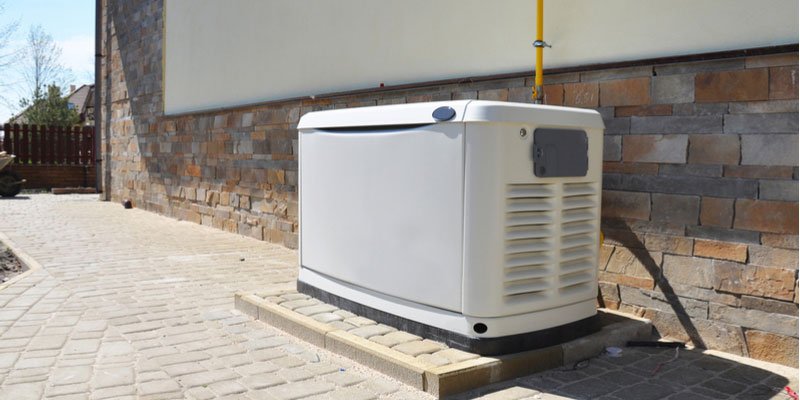
When the lights go out, your generator is often the hero waiting in the wings. But what happens when your hero has a hiccup? Few things are as frustrating as a silent or sputtering generator when you need it most. Whether it's a storm knocking out the grid or a planned outage, knowing how to tackle [Troubleshooting Common Generator Issues] can be the difference between a minor inconvenience and prolonged darkness.
This isn't just about fixing a machine; it's about restoring peace of mind. We're going to dive deep into the most frequent problems generators face, arming you with the knowledge to diagnose and often resolve them yourself, getting your power back on swiftly and safely.
At a Glance: Key Takeaways
- Safety First, Always: Before touching anything, prioritize safety. This means disconnecting power, allowing cooling, and consulting your manual.
- Fuel is a Frequent Culprit: Old, contaminated, or insufficient fuel is behind many generator woes.
- Maintenance Prevents Mayhem: Regular checks of oil, filters, and spark plugs drastically reduce unexpected breakdowns.
- Listen, Look, Smell: Your generator often tells you what's wrong through unusual noises, visible leaks, or strange odors.
- Know Your Limits: While many issues are DIY-friendly, some require a qualified technician. Don't push beyond your comfort level.
Before You Begin: The Golden Rules of Generator Safety
Before you even think about lifting the hood or grabbing a wrench, let's talk safety. This isn't optional; it's non-negotiable. Your generator, while a lifesaver, is a powerful piece of equipment that handles fuel, electricity, and hot moving parts.
Always remember these critical steps:
- Disconnect the Spark Plug Wire: This is your primary safeguard against accidental startups. Pull it off and secure it away from the spark plug.
- Allow the Engine to Cool: Generators get hot. Very hot. Give it ample time to cool down before handling any components.
- Read Your Operator's Manual: Seriously, it's there for a reason. Every generator model has specific quirks and instructions. Familiarize yourself with yours.
- Work in a Well-Ventilated Area: Never troubleshoot a running generator indoors. Carbon monoxide is odorless and deadly. For comprehensive guidelines, always refer to safe generator operation guidelines.
With safety firmly in mind, let's explore the common culprits behind generator headaches and how to tackle them.
1. The Silent Treatment: Your Generator Fails to Start
This is perhaps the most common, and most frustrating, problem. You hit the start button or pull the cord, and... nothing. Or maybe a weak click. Don't panic. There's usually a straightforward explanation.
Common Causes & Your Action Plan:
- Power Drain (Dead/Weak Battery): If you hear a click or a slow crank, your battery might be the issue.
- Solution: Charge the battery. If it's old and doesn't hold a charge, it's time for a replacement. Check battery terminals for corrosion and clean them if necessary.
- The Pull Cord is Stuck (Broken Starter Recoil): For manual pull-start models, if the cord pulls out easily with no resistance or won't pull at all.
- Solution: Inspect the recoil mechanism. If it's broken, you might need a replacement recoil assembly. This can be a bit fiddly, so YouTube tutorials for your specific model can be invaluable.
- The Fuel Factor (Insufficient, Old, or Bad Fuel): Generators are picky eaters. Fuel degrades over time, especially ethanol-blended gasoline, which can separate and clog systems.
- Solution: First, check the fuel level – seems obvious, but it happens! If the fuel is old (more than 30-60 days without stabilizer), drain it completely. Fresh fuel is your best friend. Add a fuel stabilizer like Sea Foam to prevent future issues.
- Clogged Fuel Lines or Filters: Even with fresh fuel, gunk can build up over time, starving the engine.
- Solution: Replace the fuel filter. If lines are clogged, you might need to use a carburetor cleaner or compressed air (carefully!) to clear them.
- The Carburetor Conundrum (Dirty Carburetor): A dirty carburetor is often a consequence of old fuel. It restricts the precise fuel-air mixture needed for combustion.
- Solution: This is a common DIY fix for many. You can try a carb cleaner spray, but a full disassembly and cleaning might be required. If you're not comfortable, this might be a task for a small engine mechanic.
- Breathing Room (Plugged Air Filter): Just like us, engines need to breathe. A clogged air filter chokes the engine.
- Solution: Inspect the air filter. If it's dirty, clean it (if it's a foam type) or replace it (paper filters).
- Ignition Troubles (Bad/Dirty Spark Plug or Ignition Coil): A weak or absent spark means no combustion.
- Solution: Remove the spark plug. Is it fouled with carbon? Clean it with a wire brush or replace it entirely. Ensure the gap is set to your manual's specifications. Check the spark plug wire connection. If replacing the plug doesn't work, the ignition coil might be failing (often best tested by a professional).
- Oil Level Sensor (Low Engine Oil): Many modern generators have low-oil sensors that prevent starting to protect the engine.
- Solution: Check your oil dipstick. If low, add the recommended type and amount of engine oil to the "full" mark.
- Choke Play (Incorrect/Stuck Choke): The choke enriches the fuel mixture for cold starts. If it's stuck in the wrong position, starting can be impossible.
- Solution: Ensure the choke is in the "start" or "choke" position for a cold engine, and then moved to "run" once it fires up. For a warm engine, it should be fully open/off.
2. The Tease: Generator Starts, Then Dies
Your generator roars to life, giving you a glimmer of hope, only to sputter and die a few seconds or minutes later. This is often an indication of a temporary fuel supply or an immediate protective shutdown.
Common Causes & Your Action Plan:
- Low Engine Oil (The Protector): This is the most common reason. The low-oil sensor detects insufficient lubricant and shuts the engine down to prevent catastrophic damage.
- Solution: Check the oil level. If it's low, add oil to the full mark. Always use the oil type recommended in your manual.
- The Ghost of Fuel Past (Bad/Old Fuel): Your generator might run for a moment on residual good fuel in the carburetor bowl before hitting the bad stuff from the tank.
- Solution: Drain all old fuel. Refill with fresh, stabilized fuel. Consider adding a fuel system cleaner.
- Clogged Fuel Filter/Air Filter: The engine gets just enough fuel/air to start but can't sustain it under demand due to blockages.
- Solution: Replace the fuel filter. Clean or replace the air filter.
- Clogged Fuel Lines/Dirty Carburetor (Intermittent Flow): Similar to the starting issue, but the blockage might allow a small initial flow before restricting it.
- Solution: Clear fuel lines. Clean the carburetor, paying attention to the jets.
- Bad Gas Cap/Fuel Tank Vent: A faulty vent or cap can create a vacuum in the fuel tank, preventing fuel from flowing properly. You might hear a "hiss" when you open the cap.
- Solution: Try loosening the gas cap slightly or replacing it if it seems damaged. Ensure the vent is clear.
- Spark Plug/Ignition Coil Issues (Intermittent Spark): A weak or inconsistent spark can cause the engine to fire briefly and then fail.
- Solution: Inspect and clean/replace the spark plug. Ensure the spark plug wire is securely connected. If the problem persists, suspect the ignition coil and seek professional help.
3. The Power Play: Low or Unstable Voltage Output
You've got the generator running, but your appliances aren't quite right. Lights flicker, tools bog down, or sensitive electronics behave erratically. This points to issues with the generator's electrical output.
Common Causes & Your Action Plan:
- Faulty Automatic Voltage Regulator (AVR): The AVR is a crucial component that maintains a steady voltage output. If it's failing, your voltage will fluctuate.
- Solution: The AVR is typically a circuit board. If you're comfortable with electrical work, you can test it with a multimeter (follow manual instructions) and replace it if faulty. Otherwise, a technician is best.
- Loose or Damaged Electrical Connections/Cables: Poor connections create resistance and voltage drops.
- Solution: With the generator off and cooled, carefully inspect all electrical connections, including the output receptacles, internal wiring, and connections to the AVR. Tighten any loose bolts or screws. Look for frayed or burnt wires.
- Dirty Alternator Windings: Dirt, dust, or moisture can build up on the alternator windings, reducing its efficiency.
- Solution: Again, with the generator off and cooled, use compressed air to blow out any debris from the alternator housing. A soft brush can help with stubborn grime.
- Incorrect Load Distribution: On larger generators, especially those with multiple outlets or phases, an imbalanced load can cause problems.
- Solution: Try to distribute your electrical load evenly across the generator's outlets or phases, as per your manual. Avoid plugging all high-demand appliances into a single circuit.
4. Feeling the Heat: Overheating Generator
A generator that's too hot isn't just inefficient; it's a safety hazard and a precursor to serious engine damage. You might smell burning, see steam, or hear the engine struggling.
Common Causes & Your Action Plan:
- Blocked/Dirty Radiator or Cooling System (Liquid-Cooled Models): Debris, dust, or mud can obstruct airflow, preventing the engine from dissipating heat.
- Solution: Regularly clean the radiator fins with compressed air or a soft brush. Ensure nothing is blocking the air intake or exhaust vents.
- Low Coolant/Engine Oil Levels: Both coolant (for liquid-cooled) and engine oil play vital roles in temperature regulation.
- Solution: Check and top up coolant to the recommended level (use the specified type). Verify engine oil is at the full mark.
- Overloading Beyond Rated Capacity: Trying to power too many appliances, or appliances with too high a wattage, forces the generator to work harder than it's designed for, generating excessive heat.
- Solution: Reduce the load. Unplug some appliances until the total wattage is within 70-80% of your generator's rated continuous output. Always consider surge wattage for motor-driven appliances. If you frequently find yourself overloading, it might be worth reviewing choosing the right generator for your needs to ensure your unit is appropriately sized.
- Lack of Airflow: Generators need space to breathe. Operating them in enclosed spaces or too close to obstacles can trap heat.
- Solution: Ensure the generator is operated in a wide-open area, at least 5-7 feet from any structures, to allow for proper ventilation.
5. The Fuel Guzzler: Excessive Fuel Consumption
If you find yourself refilling the tank far more often than usual, your generator might be burning through fuel inefficiently. This costs you money and increases emissions.
Common Causes & Your Action Plan:
- Fuel Leaks in Lines or Tank: Obvious but sometimes overlooked. A small leak can quickly drain your tank.
- Solution: Visually inspect all fuel lines, the fuel tank, and connections for any signs of wetness or dripping. Replace cracked lines or tighten clamps. Patching a fuel tank is often a temporary fix; replacement is usually safer for significant damage.
- Worn-Out Injectors (Diesel Generators): Over time, fuel injectors can become clogged or wear out, leading to improper fuel atomization.
- Solution: Fuel injectors typically require professional servicing or replacement.
- Poor Engine Tuning: Incorrect carburetor settings, ignition timing, or valve clearances can all lead to inefficiency.
- Solution: This usually requires a small engine mechanic with specialized tools to calibrate engine settings for optimal fuel efficiency.
- Operating at Low Load for Extended Periods: Running a generator with very little load ("underloading") can actually be less fuel-efficient and cause carbon buildup.
- Solution: Try to run your generator at its optimum load, typically 70-80% of its rated capacity. If you're only powering a few small items, consider a smaller, more fuel-efficient generator or consolidating loads.
6. The Racket: Unusual Noise or Vibrations
Generators are never silent, but a sudden change in their operational symphony – new grinding, rattling, clanking, or excessive shaking – warrants immediate attention.
Common Causes & Your Action Plan:
- Loose Engine/Alternator Mountings: Bolts holding the engine or alternator to the frame can loosen over time.
- Solution: With the generator off and cooled, visually inspect all mounting bolts. Carefully tighten any that are loose.
- Worn Bearings: Bearings in the engine or alternator can wear out, producing grinding or whining noises.
- Solution: Worn bearings are a job for a qualified service technician. Continuing to run with bad bearings can cause significant damage.
- Damaged Belts/Pulleys: If your generator uses belts (e.g., to drive the cooling fan), they can fray, crack, or become loose.
- Solution: Inspect all belts for wear and tension. Replace any damaged or excessively worn belts. Ensure pulleys are clean and spin freely.
- Internal Mechanical Faults: This is the scariest one – anything from a loose connecting rod to valve train issues.
- Solution: If you suspect an internal engine problem (knocking, loud clanking), shut the generator down immediately and call a service technician. Don't try to operate it; you'll likely worsen the damage.
7. The Smoke Signals: Black or White Smoke from Exhaust
Exhaust smoke isn't just an eyesore; it's a diagnostic clue telling you what's happening inside the engine. The color matters.
Common Causes & Your Action Plan:
- Black Smoke: This usually indicates incomplete fuel combustion – too much fuel, not enough air.
- Causes: Dirty air filters, faulty fuel injectors (in diesel), an over-rich carburetor, or overloading the generator.
- Solutions: Clean or replace the air filter. If it's a diesel, service the fuel system/injectors (professional job). Avoid overloading the generator. If it's a gasoline engine, the carburetor might need cleaning or adjustment.
- White Smoke: Often points to issues with unburnt fuel or, more seriously, coolant.
- Causes: Low cylinder compression, coolant leakage into the combustion chamber (cracked head/gasket), or unburnt fuel (especially when starting in cold weather).
- Solutions: Check the coolant system for leaks if you suspect a breach. If white smoke is persistent and not related to cold starts, you might need a compression test, which typically requires a technician. Unburnt fuel can sometimes be due to a flooded engine or ignition issues.
8. The Drip: Leaking Gas
A generator leaking fuel is not only wasteful but an extreme fire hazard. This needs immediate attention.
Common Causes & Your Action Plan:
- Dirty Carburetor (Overflowing Bowl): Gunk in the carburetor can cause the float needle valve to stick open, leading to fuel overflowing the bowl.
- Solution: Clean the carburetor thoroughly. Replace the float needle and seat if they are worn or damaged.
- Weak/Damaged Fuel Filter: The filter itself can degrade, crack, or have faulty seams.
- Solution: Replace the fuel filter. This is a cheap and easy fix.
- Fuel Tank Issues: Rust holes in metal tanks, or seam leaks in plastic tanks, can develop over time.
- Solution: For small rust holes in metal, temporary patch kits exist, but replacing the tank is the safest long-term solution. Plastic tanks with seam leaks almost always need replacement.
- Faulty Fuel Shut-Off Valve: The valve designed to stop fuel flow can leak when in the "off" position.
- Solution: Inspect the valve. If it's leaking, replace it.
- Old/Cracked Fuel Lines: Fuel lines degrade over time due to age, UV exposure, and fuel additives, becoming brittle and prone to cracking.
- Solution: Carefully inspect all fuel lines. Replace any that show signs of cracking, hardening, or fraying. Ensure all hose clamps are tight and in good condition.
9. The Struggle: Generator Bogs Down Under Load
Your generator runs fine without anything plugged in, but as soon as you connect appliances, the engine struggles, RPM drops significantly, or it even shuts off.
Common Causes & Your Action Plan:
- Too Much Load Applied (Exceeds Limit): This is the most frequent reason. You're simply asking the generator to produce more power than it's capable of.
- Solution: Review the total wattage of all connected items. Ensure the combined running wattage, plus any surge wattage for starting motors, stays comfortably within your generator's rated continuous output. Unplug non-essential items.
- Bad/Old Fuel: Degraded fuel can't deliver the consistent energy needed for sustained load.
- Solution: Drain old fuel, fill with fresh fuel, and consider a fuel additive to clean the system.
- Clogged Fuel Filter/Plugged Air Filter: Restricts fuel or air flow, starving the engine when it needs to work harder.
- Solution: Replace the fuel filter. Clean or replace the air filter.
- Incorrect/Stuck Choke: If the choke is partially engaged when the engine is warm, it creates an overly rich mixture that bogs down the engine under load.
- Solution: Ensure the choke is fully in the "run" or "open" position once the engine is warm.
- Plugged Spark Arrestor: The spark arrestor screen in the muffler can become clogged with carbon buildup, restricting exhaust flow and choking the engine.
- Solution: With the generator off and cooled, remove the spark arrestor screen (refer to your manual for location) and clean it thoroughly with a wire brush and solvent. Replace it if it's damaged.
- Dirty Carburetor: Just like with starting issues, a dirty carburetor struggles to deliver enough fuel to meet demand under load.
- Solution: Clean the carburetor, focusing on the main jet and idle circuits. If necessary, a rebuild or replacement might be needed.
Keeping Your Power Flowing: Preventative Maintenance is Your Best Defense
While knowing how to troubleshoot is invaluable, preventing issues in the first place is always better. Most common generator problems can be avoided with a proactive approach.
Regular maintenance is key. This includes routine oil changes, inspecting and replacing filters (fuel, air, oil), checking spark plugs, and stabilizing fuel during storage. For a systematic approach to keeping your generator in top condition, refer to a thorough generator maintenance checklist.
Also, understanding how your generator works and what it's capable of (and not capable of) is crucial. If you're looking to expand your knowledge base on all things generators, including selection, operation, and advanced care, you might find valuable insights when you Learn more about generator camp.
When to Call a Pro: Knowing Your Limits
Many of the issues discussed here are well within the scope of a handy homeowner or DIY enthusiast. However, some problems are complex, dangerous, or require specialized tools and expertise.
It's time to call a qualified generator service technician when:
- You're dealing with internal engine issues (e.g., persistent knocking, low compression).
- Electrical components like the AVR or alternator windings are clearly damaged and you're not comfortable replacing them.
- You've tried all the common troubleshooting steps, and the problem persists.
- You're dealing with fuel system issues beyond simple filter changes or carburetor cleaning.
- Any situation where you feel unsure, unsafe, or out of your depth.
Don't gamble with your safety or the longevity of your investment. A professional can diagnose complex issues accurately and ensure repairs are done correctly, restoring your generator to reliable operation.
The Confidence of Consistent Power
Troubleshooting common generator issues empowers you to act decisively when your power source falters. By understanding the typical causes and their solutions, you can minimize downtime, potentially save on repair costs, and most importantly, restore your power quickly and safely. Remember, a little preventative maintenance goes a long way in ensuring your generator is always ready to be your beacon in the dark.